Purchasing & Export
Oilfield Tools Supplier Selection Guide
Oilfield Tools Supplier Selection Guide
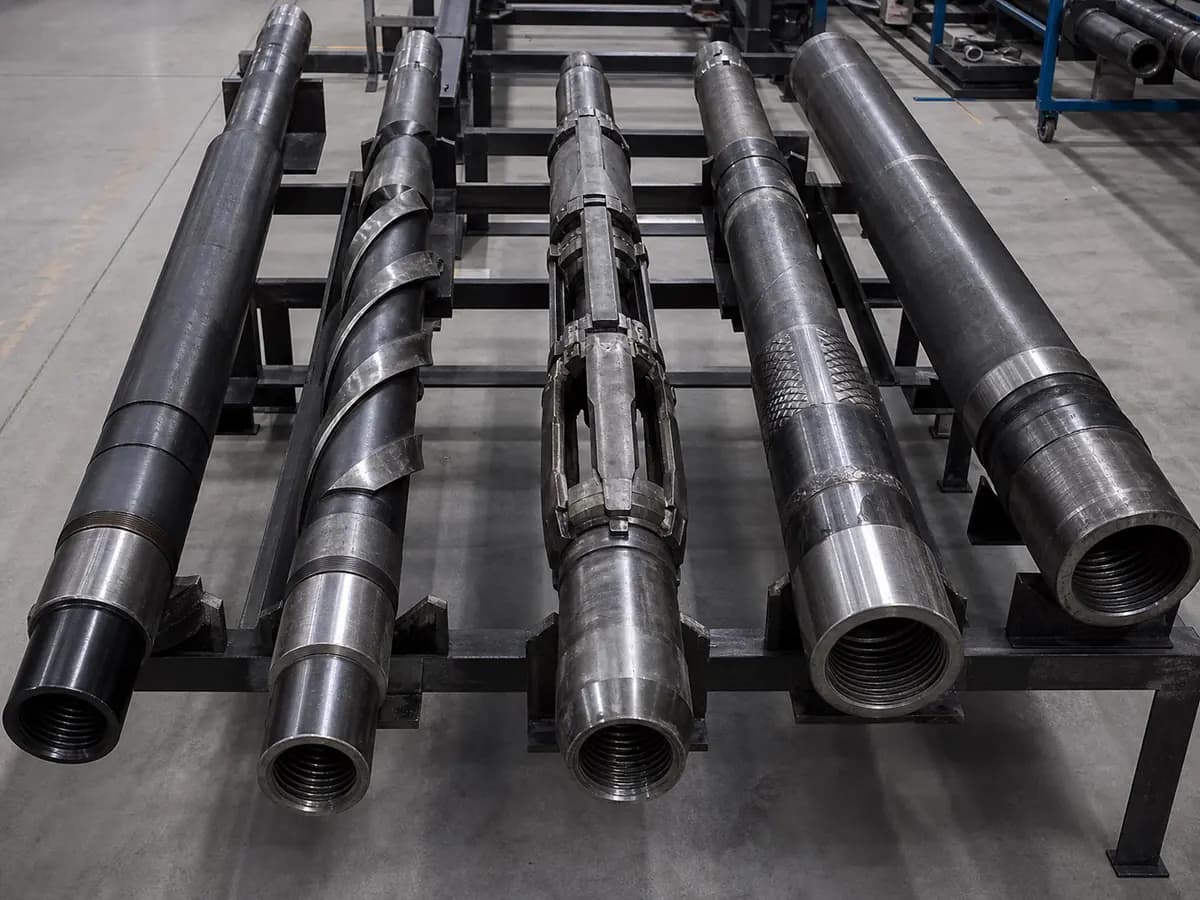
Oilfield tools supplier is a broad but valuable keyword because buyers may need several tool families in one sourcing request. The page should help them describe tools clearly before asking for quotations.
Tool Families To Separate
Common RFQs include drilling stabilizers, drilling jars, drill collars, crossovers, subs, fishing tools, elevators, slips, tongs, packers, and custom machined tools. Each product family needs different technical details.
Technical Fields To Collect
For drilling and downhole tools, collect OD, ID, connection, material, hardfacing, thread type, length, and operating condition. For handling tools, collect size range, load rating, standard, and matching tubular information.
Quote Comparison
Compare machining capability, material traceability, heat treatment, hardfacing quality, inspection reports, delivery time, and export packaging. A good supplier should ask technical questions before quoting.
SEO Use
This article should link to drilling and downhole RFQ pages, fishing tool pages, and spare-part sourcing pages so search traffic can move toward quote collection.
Verification before quotation
Use the article as an RFQ-preparation reference, not as a substitute for the governing project specification. Confirm the standard edition, equipment model, service conditions, dimensional interfaces, required certification scope and final manufacturer datasheet. For replacement parts, attach the nameplate, original part number and measured dimensions.
RFQ checklist
- Equipment name, model, part number and quantity
- Operating pressure or load, temperature and process media
- Dimensions, connections, materials and standard edition
- Drawings, photographs and existing nameplate information
- Required test reports, inspection records and traceability
- Destination, delivery date, packing and target price
Any numerical value cited from a public manufacturer page is an observed reference for that model only and must not be treated as a universal product specification.
Authoritative references
- American Petroleum Institute: active standards catalogchecked 2026-08-26