Parts & Compatibility
How to Identify Oilfield Spare Parts from Nameplates and Photos
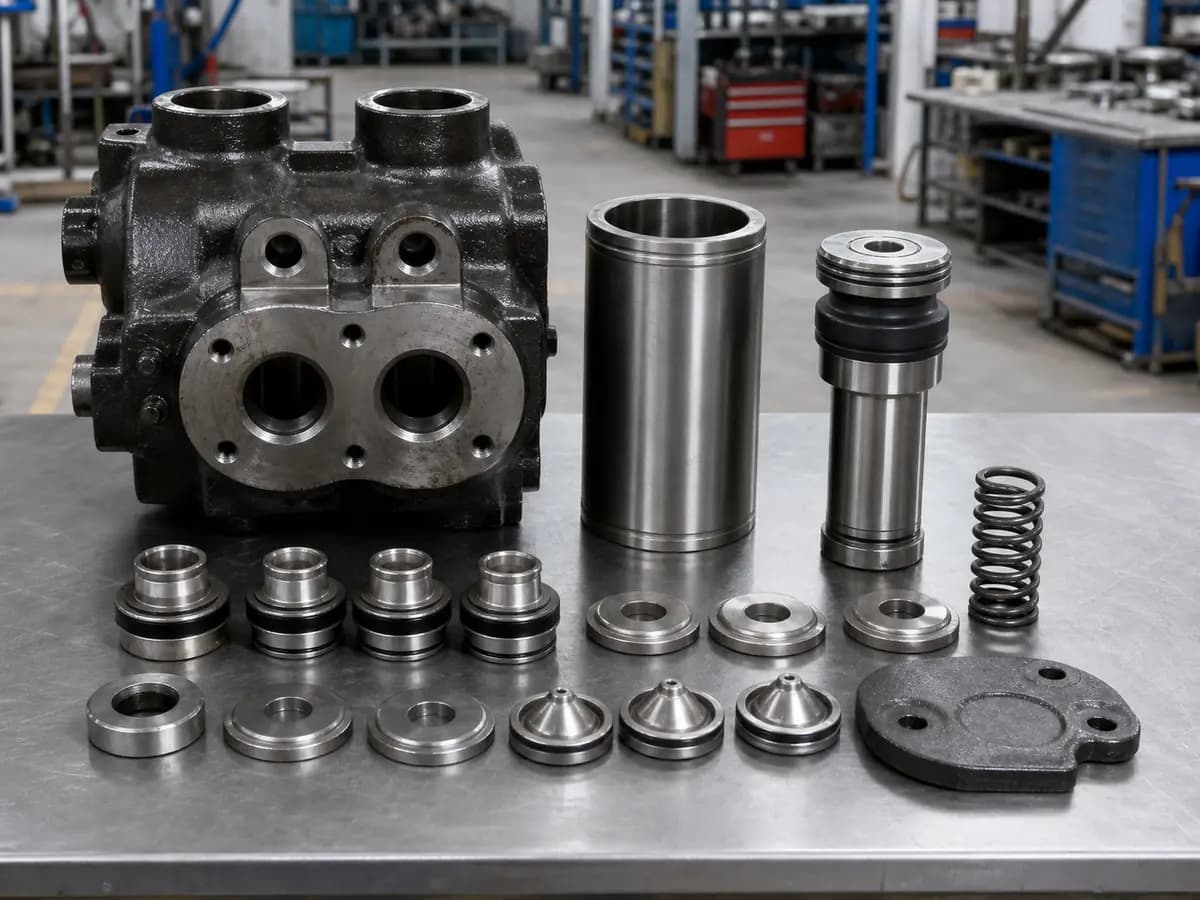
Begin With the Parent Equipment
A photo of a worn part is rarely enough for a reliable quotation. First identify the parent equipment: manufacturer, model, serial number, year, assembly name and operating location. Photograph the complete machine and its nameplate before taking close-ups. If the nameplate is damaged, copy every readable character without guessing and note which characters are uncertain.
Capture a Useful Photo Set
Use even lighting and keep the image sharp. Include a ruler or scale only where it can be placed safely and square to the part. Photograph all sides, connection ends, mounting holes, seal grooves, markings and damaged areas. Add one image showing where the part fits in the assembly. Rename files by RFQ item number so the supplier can connect each image to the correct quantity and line.
Record Identification Data
- Parent equipment manufacturer and model
- Serial number and nameplate ratings
- Part name and any stamped or cast number
- Drawing number, manual reference or BOM position
- Quantity required and whether the request is urgent
- Current material, coating, hardness or seal compound if known
- Operating pressure, temperature and fluid compatibility requirements
- Reason for replacement and observed failure mode
Measure Without Creating False Precision
Record outside diameter, inside diameter, overall length, thread form, pitch, sealing faces, keyways and hole patterns as applicable. State the measuring tool and units. Do not infer a thread from diameter alone; several connection forms can have similar dimensions. For flexible or worn components, note that measurements are approximate and provide an unused sample or drawing when possible.
OEM, Equivalent or Custom Replacement
Tell bidders whether only an OEM part is acceptable, whether an interchangeable aftermarket part may be proposed, or whether reverse engineering is requested. A claim of compatibility should be supported by drawing comparison, material information and identified parent models. For pressure-containing, load-bearing or safety-critical parts, require engineering approval and the applicable inspection and test documents before use.
Protect Sensitive Information
Remove personal information and unrelated serial numbers from images. Share controlled drawings through an agreed channel and identify their revision and permitted use. Keep the original high-resolution photos because messaging platforms may compress details.
RFQ Checklist
Attach the nameplate image, full-equipment view, all part angles, dimensions, quantity, parent model, required date and destination. Ask the supplier to list every assumption and to mark any dimension or material that still requires confirmation before manufacture.
Verification before quotation
Use the article as an RFQ-preparation reference, not as a substitute for the governing project specification. Confirm the standard edition, equipment model, service conditions, dimensional interfaces, required certification scope and final manufacturer datasheet. For replacement parts, attach the nameplate, original part number and measured dimensions.
RFQ checklist
- Equipment name, model, part number and quantity
- Operating pressure or load, temperature and process media
- Dimensions, connections, materials and standard edition
- Drawings, photographs and existing nameplate information
- Required test reports, inspection records and traceability
- Destination, delivery date, packing and target price
Any numerical value cited from a public manufacturer page is an observed reference for that model only and must not be treated as a universal product specification.
Authoritative references
- American Petroleum Institute Standardschecked 2026-08-24